How I Built a Steady Investment Cycle for Retirement Fun — Without the Stress
What if your retirement wasn’t just about surviving — but truly enjoying life? I used to think investing was only for young go-getters, but after testing different strategies, I discovered a smarter way to grow wealth *and* fund the lifestyle I wanted. It’s not about chasing big wins — it’s about building a reliable cycle that works behind the scenes. Let me walk you through how I turned confusion into clarity, one practical step at a time. This journey wasn’t fueled by luck or insider knowledge. It grew from simple decisions, repeated consistently, guided by a clear purpose: to design a future where financial security and personal joy coexist. And the best part? You don’t need a six-figure salary or a Wall Street background to make it happen.
The Wake-Up Call: Realizing Retirement Needs More Than Savings
For years, I believed retirement planning meant one thing: save as much as possible and hope it lasts. I watched my parents stretch every dollar, avoid travel, and say no to small pleasures — all in the name of caution. Their savings were respectable, but their quality of life in later years suffered. That planted a quiet fear in me: What if I do everything right, only to spend retirement feeling restricted instead of free? The turning point came when I calculated how far my current savings would go. At a modest inflation rate of 3%, the purchasing power of $100,000 today would drop to about $41,000 in 30 years. That reality hit hard. Saving alone wasn’t enough. I needed a system that not only preserved value but actively grew it over time, while also preparing for the rising cost of living and the lifestyle I hoped to enjoy.
What changed everything was shifting from passive saving to active wealth cycling. Instead of just putting money aside, I began to view my finances as a dynamic system — one where money moves through phases of growth, protection, and enjoyment. This mindset shift didn’t happen overnight. It emerged from reading, reflecting, and making small but meaningful changes in how I handled money. I stopped seeing my accounts as static storage and started seeing them as living components of a larger plan. The goal wasn’t just to accumulate numbers in a bank statement, but to build a rhythm — a predictable flow of money that supports my present needs while preparing for future freedom. This new perspective allowed me to think beyond survival and toward sustainability, balance, and yes, even fun.
Once I embraced this idea, I committed to building a financial structure that supports not just longevity, but quality. I realized that retirement isn’t a single event — it’s a phase that could last decades. That means my money must work harder than ever before. It can’t just sit idle. It must grow during the accumulation years, protect capital during the transition, and generate steady income during retirement. This is where the concept of an investment cycle became essential. By aligning financial decisions with life stages, I could make smarter choices without constant second-guessing. The wake-up call wasn’t about fear — it was about clarity. And clarity became the foundation of everything that followed.
Mapping the Investment Cycle: From Growth to Harvest
The core of my strategy lies in understanding the investment cycle — the natural rhythm of building, protecting, and using wealth. It mirrors the seasons: spring for planting, summer for growth, fall for harvest, and winter for rest and preparation. In the early stages of financial life, the focus is on growth. This means allocating a larger portion of investments to assets with long-term potential, such as broad-market index funds, dividend-paying stocks, and real estate investment trusts. These aren’t speculative bets; they’re proven vehicles that have historically outpaced inflation over time. The key is consistency — investing regularly, regardless of market noise, and allowing compound growth to do its work over decades.
Then comes the stabilization phase, typically in the decade leading up to retirement. This is when risk management and diversification take center stage. I began shifting a portion of my portfolio into more stable assets like bonds, high-quality fixed-income securities, and cash equivalents. The goal isn’t to chase high returns during this phase, but to reduce volatility and protect what I’ve built. I also started paying closer attention to asset allocation, ensuring no single investment category dominated my holdings. For example, I aimed for a balanced mix — perhaps 60% equities and 40% fixed income — and adjusted it gradually as I aged. This approach helped me sleep better during market corrections, knowing that a downturn in stocks wouldn’t erase my entire progress.
The final stage is the income phase, which begins when I start drawing from my investments to support my lifestyle. This is not about liquidating everything at once, but about planned, disciplined distributions from income-generating holdings. I structured part of my portfolio to produce regular cash flow — through dividends, interest, and rental income — so I wouldn’t have to sell assets during market downturns. This is crucial: withdrawing during a bear market can permanently damage long-term sustainability. By relying on passive income first, I reduce the need to sell low. Each stage flows into the next, creating a seamless transition from earning to living off my savings. The key is aligning this cycle with life goals, especially the desire for freedom and fun in retirement. When the system works quietly in the background, I can focus on what matters — experiences, relationships, and peace of mind.
Designing for Senior Entertainment: Why Lifestyle Drives Strategy
Retirement isn’t just about security — it’s about living. For me, that means travel, concerts, hobbies, and time with loved ones. But fun costs money. I used to treat entertainment as an afterthought, something to enjoy only if there was a surplus. That changed when I realized that joy is not a luxury — it’s a necessity for a fulfilling life. Instead of leaving it to chance, I made lifestyle goals a core part of my financial plan. I sat down and listed the experiences I wanted: a two-week European trip every few years, attending live music events, taking cooking and painting classes, and hosting family gatherings. I estimated the annual cost of these activities — roughly $12,000 — and built a dedicated “lifestyle fund” to support them.
By reverse-engineering my investment strategy around these goals, I created a plan that funds enjoyment sustainably. This meant balancing more aggressive growth in earlier years with conservative, reliable income later. For example, in my 40s and 50s, I allocated a higher percentage of new contributions to growth-oriented investments, knowing I had time to recover from short-term fluctuations. As I approached retirement, I gradually shifted those gains into income-producing assets. This ensured that by the time I stopped working, a portion of my portfolio was already generating the cash flow I needed for fun. The result? I no longer feel guilty about spending on experiences. I know they’re budgeted, planned, and fully supported by my financial structure.
This approach also helped me avoid the common trap of overspending early in retirement and running out of money later. Many people withdraw too much too soon, lured by the excitement of newfound freedom. But without a system in place, that freedom can quickly turn into stress. By designing my portfolio to deliver steady, predictable income, I can enjoy life without jeopardizing long-term stability. I also built in flexibility — if markets perform better than expected, I can afford to increase my lifestyle budget. If returns are lower, I have safeguards to adjust without sacrificing essentials. The message is clear: fun doesn’t have to be risky. When it’s built into your financial plan, it becomes a sustainable part of your retirement rhythm.
Risk Control: Protecting Your Fun Before It Begins
Even the best plans fail without safeguards. I used to overlook risk until a market dip in the late 2010s nearly derailed my confidence. I watched my portfolio drop 20% in a few months and felt the urge to sell everything and hide in cash. That emotional reaction could have locked in losses and derailed decades of progress. That experience taught me a critical lesson: risk control isn’t optional — it’s essential. Now, I prioritize it at every stage of the investment cycle. One of my main tools is diversification. I spread my investments across different asset classes, sectors, and geographies so that a downturn in one area doesn’t devastate my entire portfolio. This isn’t just a buzzword — it’s my safety net, proven over time to reduce volatility and improve long-term outcomes.
I also use stop-loss mechanisms on certain holdings, which automatically trigger a sale if a stock falls below a set price. While I don’t rely on them heavily, they provide an extra layer of protection against sudden crashes. More importantly, I maintain emergency liquidity — a cash reserve equivalent to one to two years of living expenses — so I don’t have to sell investments during a downturn to cover unexpected costs. This buffer gives me peace of mind and prevents impulsive decisions driven by fear. I’ve also learned to avoid emotional investing. I don’t check my portfolio daily, and I don’t react to headlines. Instead, I follow a disciplined schedule of quarterly reviews, allowing me to assess progress without overreacting to short-term noise.
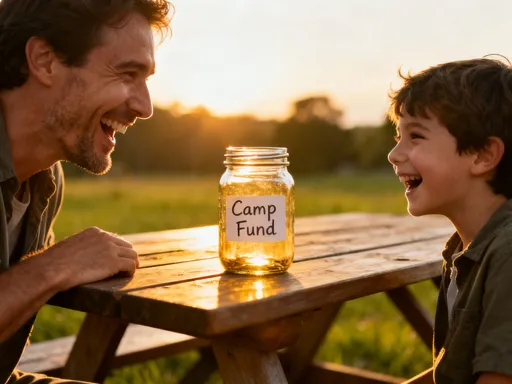
Another key strategy is separating my “fun fund” from my core nest egg. This means I have a designated portion of my portfolio — funded during the growth phase — that’s earmarked specifically for travel, entertainment, and hobbies. Because this money is already accounted for and invested appropriately, I can enjoy it without guilt or anxiety. At the same time, my primary retirement savings remain protected, focused on long-term stability and essential living costs. The goal isn’t to eliminate risk — that’s impossible — but to manage it wisely. With these safeguards in place, surprises don’t become disasters. I can face market fluctuations with calm, knowing my plan is built to endure. Risk control isn’t about fear; it’s about freedom — the freedom to enjoy life without constant worry.
Practical Moves: Simple Systems That Keep You on Track
Complexity kills consistency. I tested dozens of methods before landing on a few practical systems that actually work. The most powerful one? Automated contributions. I set up automatic transfers from my checking account to my investment accounts every payday. This ensures I invest regularly, no matter how I feel. Whether the market is up or down, whether I’m busy or stressed, the system runs on its own. Over time, this habit has done more for my wealth than any single investment decision. It removes emotion, eliminates procrastination, and leverages dollar-cost averaging — buying more shares when prices are low and fewer when they’re high, which naturally improves long-term returns.
Another essential practice is regular portfolio reviews — not daily or weekly, but quarterly or semi-annually. These structured check-ins allow me to assess performance, rebalance if needed, and ensure my asset allocation still aligns with my goals. I don’t obsess over daily fluctuations. Instead, I focus on the bigger picture: Am I on track? Do my investments still reflect my risk tolerance and timeline? If I’ve drifted too far from my target mix — say, equities now make up 70% instead of 60% — I rebalance by selling some winners and buying underweight assets. This keeps my portfolio disciplined and prevents overexposure to any single area.
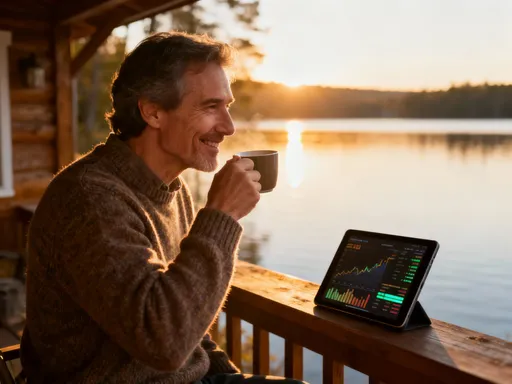
I also use simple tracking tools to monitor progress without obsession. A basic spreadsheet or a reliable financial dashboard helps me see my net worth, income streams, and savings rate at a glance. I don’t need advanced analytics — just clear, accurate data that shows whether I’m moving forward. Most importantly, I’ve set clear rules for myself: when to rebalance, when to lock in gains, and when to pause during extreme volatility. These rules remove guesswork and keep me from making emotional decisions. For example, if a single holding grows to more than 10% of my portfolio, I consider trimming it to reduce concentration risk. These systems aren’t flashy, but they’re effective. They create structure, build discipline, and make long-term success more likely — not because of brilliance, but because of consistency.
The Power of Compounding — and Patience
No strategy works without time. I wish I’d started earlier, but even late starters can benefit from compounding — if they stay consistent. The magic isn’t in big wins, but in small gains that build on themselves. Consider this: an investment of $500 per month earning a modest 6% annual return would grow to over $500,000 in 30 years. The majority of that growth comes in the final decade — not because the rate changed, but because the base had grown so large. That’s the power of compounding: returns generate their own returns, creating a snowball effect. I focus on steady performers, not flashy stocks. Reinvesting dividends, reinvesting time, and reinvesting discipline — that’s what creates momentum.
One of the most overlooked aspects of compounding is patience. In a world of instant results, waiting feels like doing nothing. But in finance, waiting is one of the most powerful actions you can take. I’ve learned to trust the process, even when progress seems slow. Markets go through cycles — bull and bear, expansion and contraction. But over long periods, diversified investments have consistently trended upward. The lesson? You don’t need perfect timing. You just need to stay in the game. Every time I’ve been tempted to pull out during a downturn, I remind myself: selling locks in losses. Staying invested allows recovery and continued growth.
I also apply compounding principles beyond money. I reinvest the knowledge I gain, the habits I build, and the confidence I develop. Each year of disciplined investing makes the next year easier. I understand the system better, trust it more, and feel more in control. This emotional compounding is just as valuable as financial compounding. It reduces anxiety, increases clarity, and strengthens my commitment to the long-term plan. The truth is, wealth isn’t built in a day. It’s built day after day, through small, consistent choices. And the earlier you start — or restart — the more time you give compounding to work its quiet magic.
Building Your Own Cycle: A Realistic Path Forward
Everyone’s journey is different, but the principles remain. Start by defining your retirement vision — not just financially, but emotionally. What does a good life look like to you? Is it travel, time with grandchildren, creative pursuits, or quiet mornings in the garden? Write it down. Give it detail. This vision becomes your compass, guiding every financial decision. Next, map out your own investment cycle based on your timeline and goals. If you’re decades from retirement, focus on growth and consistency. If you’re within ten years, shift toward stability and income planning. Choose strategies that match your risk tolerance, not someone else’s. There’s no single right way — only what works for you.
Build systems to support consistency. Automate contributions, schedule regular reviews, and set clear rules to avoid emotional decisions. These habits may seem small, but they compound over time, just like your investments. Don’t aim for perfection — aim for progress. Even modest, regular investments can grow into something substantial with time. And remember, investing isn’t just about money — it’s about freedom. It’s about creating a future where you’re not constrained by bills or fear, but empowered to live on your own terms.
With the right approach, your golden years can be not just secure, but truly alive. You can travel, explore, laugh, and enjoy — not because you got lucky, but because you planned wisely. The cycle you build today will sustain you tomorrow. It won’t eliminate all uncertainty — no plan can — but it will give you confidence, control, and the ability to face the future with calm. Start where you are. Use what you have. Do what you can. The journey to a joyful, well-funded retirement isn’t reserved for the wealthy or the brilliant. It’s available to anyone willing to take the first step — and keep going.