How I reclaimed my strength after burnout — a real woman’s journey through healing
For years, I pushed through exhaustion, thinking rest was a luxury. But when my body finally said "no," I had to learn what true recovery meant. This isn’t about quick fixes — it’s about sustainable rehabilitation rooted in science and self-awareness. As more women face overwhelming physical and emotional strain, understanding gentle, effective healing methods becomes essential. Here’s how I rebuilt my health, one step at a time — not as a doctor, but as someone who’s been there. The journey wasn’t linear, and it didn’t follow a viral 30-day challenge. It required patience, humility, and a willingness to listen when my body had been ignored for too long. This is a story of reclamation — of energy, clarity, and peace — and the practical steps that made it possible.
The Breaking Point: When Recovery Became Non-Negotiable
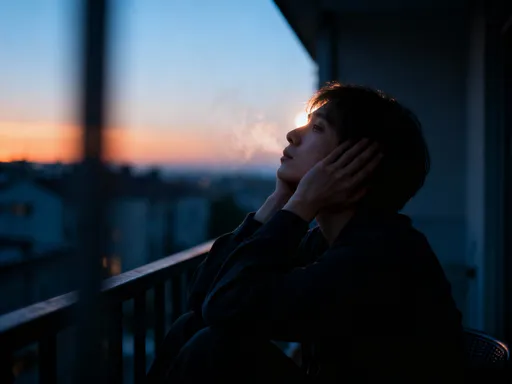
It wasn’t a single event, but a slow unraveling. For over a decade, I balanced a demanding career, family responsibilities, and the unspoken expectation to appear effortlessly in control. I wore busyness like a badge of honor. Sleep was negotiable. Meals were rushed or skipped. Exercise, when it happened, was intense — less about well-being and more about burning off stress. I told myself I was fine, even as the signs accumulated: constant fatigue that coffee couldn’t fix, irritability over small things, frequent colds, and a growing sense of emotional numbness. I stopped noticing the joy in things I once loved.
The turning point came on an ordinary Tuesday. I stood in my kitchen, unable to decide what to make for dinner, and burst into tears. Not because of the meal, but because the mental fog was so thick I couldn’t form a simple plan. That moment cracked the illusion of control. I scheduled a doctor’s appointment, not for a specific illness, but because I could no longer function at the level I expected of myself. Blood work revealed nothing acute — no disease, no deficiency severe enough to explain it all. But my cortisol levels were elevated, my thyroid markers were borderline, and my vitamin D was low. The diagnosis wasn’t dramatic; it was burnout, a term often dismissed as a buzzword but recognized by medical professionals as a state of chronic workplace stress that has not been successfully managed.
What made recovery non-negotiable was the realization that continuing as before would lead to irreversible damage. The World Health Organization classifies burnout as an occupational phenomenon characterized by feelings of energy depletion, increased mental distance from one’s job, and reduced professional efficacy. But its effects extend far beyond work. For many women, especially those in caregiving roles, the pressure to “do it all” delays help-seeking. We’re conditioned to prioritize others’ needs, viewing self-care as selfish. This cultural narrative must shift. Rehabilitation isn’t only for after surgery or injury. It’s also necessary after prolonged periods of functional decline caused by stress, poor sleep, and emotional strain. Recognizing that my body had reached its limit wasn’t a failure — it was the first act of wisdom.
Redefining Rehabilitation for Women’s Health
Rehabilitation is often associated with physical recovery following an accident or illness. But true rehabilitation must also encompass the restoration of vitality after chronic stress, hormonal shifts, or postpartum depletion. For women, this process is uniquely complex. Female physiology involves dynamic hormonal cycles that influence metabolism, mood, immune function, and pain perception. These fluctuations mean that recovery strategies effective for one person may not suit another, especially during perimenopause, postpartum, or after discontinuing hormonal birth control.
Metabolically, women often have different energy needs and fat storage patterns than men, influenced by estrogen and progesterone. Psychologically, women are more likely to internalize stress, which can manifest as anxiety, digestive issues, or insomnia. Ignoring these differences leads to generic advice that fails in practice. A one-size-fits-all approach to fitness or nutrition can even worsen burnout by adding performance pressure. Effective rehabilitation must be individualized, respecting the stage of life, medical history, and current capacity of the person healing.
This is where professional guidance becomes essential. A primary care provider can rule out underlying conditions like thyroid dysfunction or anemia. A registered dietitian can assess nutritional gaps. A physical therapist trained in women’s health can design movement plans that support pelvic floor integrity and joint stability. A licensed therapist can help process emotional burdens. These professionals don’t offer magic solutions, but they provide frameworks grounded in science. Rehabilitation, in this context, is not about returning to “normal” — it’s about building a new baseline of health that honors biological reality. It’s a shift from pushing through to pacing with purpose.
Breath as Foundation: The Overlooked Power of Diaphragmatic Breathing
One of the first tools I learned was also the simplest: how to breathe properly. Under chronic stress, most people develop shallow, chest-dominant breathing. This pattern activates the sympathetic nervous system — the “fight-or-flight” response — keeping cortisol levels elevated. Over time, this contributes to fatigue, poor digestion, and difficulty concentrating. Diaphragmatic breathing, in contrast, engages the large muscle beneath the lungs, promoting full oxygen exchange and stimulating the vagus nerve, which regulates the parasympathetic nervous system — the “rest-and-digest” state.
The science is clear. Studies have shown that slow, deep breathing at around six breaths per minute can reduce cortisol levels, lower blood pressure, and improve heart rate variability — a marker of resilience. It enhances oxygen delivery to tissues, supporting cellular repair and energy production. Unlike medication or supplements, breathing is always accessible and free. Yet, it’s often overlooked in mainstream wellness conversations, which tend to favor more complex interventions.
I began with just five minutes each morning, sitting upright in a chair with feet flat on the floor. I placed one hand on my chest and the other on my abdomen, focusing on making the lower hand rise with each inhale. I inhaled slowly through the nose for a count of four, held briefly, then exhaled gently through the mouth for a count of six. The longer exhale is key — it signals safety to the brain. At first, my mind wandered constantly. But consistency mattered more than perfection. Over weeks, I noticed subtle shifts: less morning anxiety, improved focus, and a greater sense of calm during stressful moments. I later added breathwork before bed, which helped quiet the mental chatter that used to keep me awake. This practice became the foundation of my recovery — a daily reminder that healing begins with presence.
Movement That Supports, Not Drains: Low-Impact Neuromuscular Re-education
In the early stages of healing, I made the mistake of returning to high-intensity workouts, believing that pushing harder would restore my strength faster. Instead, I felt worse — more fatigued, achy, and emotionally drained. That’s when a physical therapist introduced me to the concept of neuromuscular re-education: gentle movement practices that retrain the brain-body connection without overloading the system. Unlike vigorous exercise that demands energy, these methods replenish it.
Tai chi, therapeutic yoga, and guided mobility drills focus on coordination, balance, and body awareness. They emphasize slow, controlled motions that improve joint stability and proprioception — the sense of where your body is in space. For someone recovering from burnout, this is crucial. Chronic stress impairs motor control and increases muscle tension, leading to poor posture and inefficient movement patterns. These restorative practices help reset those patterns, reducing strain on the nervous system.
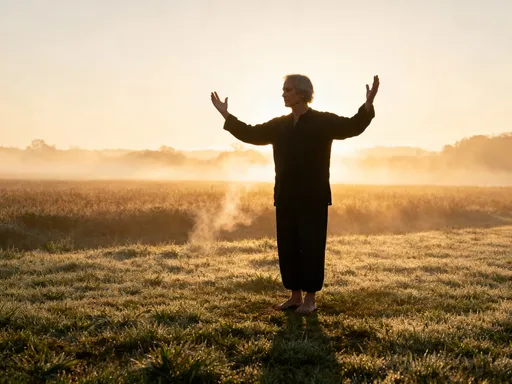
I started with ten minutes of tai chi in the morning, following an online video designed for beginners. The movements were fluid and deliberate, requiring focus but not exertion. I noticed improvements in my balance and a reduction in the stiffness I used to feel in my shoulders and hips. Therapeutic yoga, with props like blocks and straps, allowed me to support my body while releasing tight areas safely. I avoided hot yoga or power classes, which could spike cortisol. Instead, I chose restorative or yin styles that encouraged relaxation. Over time, I built up to 20–30 minutes most days. The goal wasn’t calorie burn or muscle gain — it was nervous system regulation. Movement became a form of listening, not punishment.
Nutritional Nurturing: Eating to Restore, Not Restrict
Burnout disrupted my relationship with food. At times, I restricted calories, believing I needed to “get back on track.” Other days, I craved sugar and processed carbs, using food to soothe emotional exhaustion. Neither pattern supported healing. I learned that nutrition during recovery isn’t about dieting — it’s about providing the raw materials the body needs to repair itself.
Nutrient-dense whole foods are essential. Complex carbohydrates from vegetables, fruits, and whole grains stabilize blood sugar, preventing energy crashes. Healthy fats from avocados, nuts, seeds, and olive oil support hormone production and brain health. High-quality protein from eggs, fish, legumes, and poultry aids in tissue repair and neurotransmitter synthesis. Micronutrients like magnesium, B vitamins, and zinc — often depleted during stress — play critical roles in energy metabolism and nervous system function.
I worked with a dietitian to create a simple meal framework. Breakfast always included protein and fiber — for example, oatmeal with nuts and berries, or eggs with spinach and sweet potato. Lunch and dinner featured a balance of vegetables, lean protein, and healthy fats. I minimized ultra-processed foods, refined sugars, and excessive caffeine, which can exacerbate anxiety and disrupt sleep. Hydration was also prioritized — I aimed for eight glasses of water daily, sometimes with lemon or herbal infusions. The shift wasn’t about perfection. I allowed myself occasional treats without guilt. What mattered was consistency in nourishing my body. Over months, my energy improved, cravings diminished, and digestion normalized. Food became fuel for healing, not a source of stress.
Sleep Rebuilding: Creating Conditions for Deep, Restorative Rest
Sleep was one of the most challenging aspects of my recovery. Even when exhausted, my mind would race at night. I’d lie awake, reviewing past conversations or worrying about the future. I didn’t realize how severely my circadian rhythm had been disrupted by years of late nights, screen exposure, and irregular schedules. Yet, sleep is when the body performs its most critical repair work — consolidating memories, clearing brain toxins, and regulating hormones.
I began by establishing a wind-down routine. One hour before bed, I turned off bright overhead lights and switched to lamps. I stopped using my phone and computer, replacing screen time with reading a physical book or listening to calming music. I also lowered the thermostat in my bedroom, as cooler temperatures promote deeper sleep. I invested in blackout curtains to ensure complete darkness, which supports melatonin production.
Consistency was more important than duration. I aimed to go to bed and wake up at the same time every day, even on weekends. This helped regulate my internal clock. If I couldn’t fall asleep after 20 minutes, I got up and did something quiet, like gentle stretching or sipping herbal tea, until I felt sleepy. I avoided alcohol, which fragments sleep architecture. Over time, the quality of my sleep improved. I woke less frequently during the night and felt more refreshed in the morning. The change wasn’t overnight, but the cumulative effect was profound. Better sleep enhanced my mood, focus, and resilience, making other recovery efforts more effective.
Emotional Resilience: Integrating Mindfulness and Professional Support
Physical symptoms of burnout are often the most visible, but emotional strain runs deeper. I carried unprocessed grief, guilt, and self-doubt — the emotional residue of years spent striving to meet impossible standards. I learned that unresolved emotional stress can hinder physical healing by keeping the nervous system in a state of hypervigilance. The body cannot fully repair itself if the mind feels under constant threat.
Mindfulness practices helped me develop awareness without judgment. Journaling allowed me to externalize my thoughts, identifying patterns of self-criticism. I wrote freely each morning, not for grammar or coherence, but to release mental clutter. Body scans, done lying down before sleep, taught me to notice tension and consciously relax. These practices didn’t eliminate difficult emotions, but they created space between feeling and reaction.
Equally important was seeking professional support. I began seeing a licensed counselor who specialized in cognitive behavioral techniques. Through therapy, I examined beliefs like “I must be productive to be worthy” and replaced them with more balanced perspectives. We worked on setting boundaries, saying no without guilt, and redefining success. Counseling wasn’t a sign of weakness — it was an investment in long-term well-being. For women navigating health challenges, this emotional work is not optional. Healing requires integrating mind and body, acknowledging that how we think and feel directly impacts our physiology.
Conclusion: Healing Is a Practice, Not a Destination
Today, I have more energy, clarity, and peace than I’ve had in years. But healing isn’t something I “finished.” It’s an ongoing practice — a daily commitment to listening, adjusting, and honoring my body’s needs. I no longer measure success by how much I can accomplish in a day, but by how well I care for myself in the process. This shift in mindset has been the most transformative part of my journey.
Rehabilitation is not a sign of weakness. It’s an intelligent, compassionate response to the reality of human limits. For women who have spent years pushing through exhaustion, it may feel counterintuitive to slow down. But true strength lies in the courage to pause, assess, and rebuild with intention. The methods I’ve shared — diaphragmatic breathing, restorative movement, nourishing food, quality sleep, and emotional support — are not quick fixes. They are foundational practices supported by science and accessible to anyone willing to begin.
If you’re reading this and recognizing your own story, know that you’re not alone. The first step is acknowledging that you need support. Seek guidance from trusted healthcare providers. Trust your experience. Start small — one deep breath, one nourishing meal, one honest conversation. Healing is not about returning to who you were before burnout. It’s about becoming someone who knows their worth isn’t tied to output, but to presence, balance, and self-respect. And that, more than anything, is a life worth reclaiming.