Why Western Rehab Actually Works — My Honest Health Wake-Up Call
I used to think recovery was just about waiting for my body to heal. Then an injury changed everything. I tried Western medicine rehabilitation, and honestly, it opened my eyes. It wasn’t magic — it was science, consistency, and real awareness. This isn’t a cure-all story, but a truthful look at how structured treatment helped me take control. If you’ve ever doubted rehab, this might shift your perspective — not as medical advice, but as one person’s journey toward smarter health choices.
The Moment Everything Changed – Facing My Health Blind Spot
It started with something small — a sharp pain in my lower back after lifting a heavy suitcase. At first, I brushed it off. I told myself it was just a strain, that it would go away in a few days. But the discomfort didn’t fade. It settled in, turning into a constant ache that made standing, sitting, even sleeping a challenge. For weeks, I avoided seeing a doctor. I relied on over-the-counter pain relievers and hoped time would fix it. I had spent years ignoring minor twinges and stiffness, treating my body like a machine that could run indefinitely without maintenance. That injury was the wake-up call I didn’t know I needed.
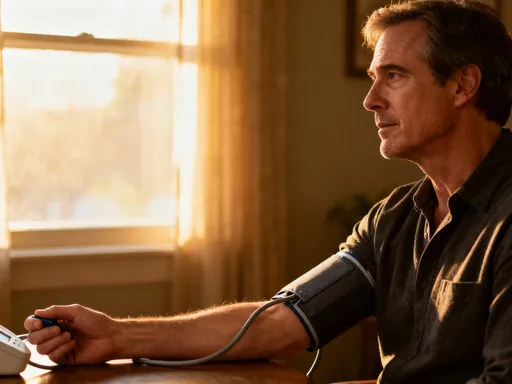
What surprised me most wasn’t the pain — it was the emotional resistance I felt toward seeking professional help. There was a quiet pride in pushing through discomfort, a belief that rest and willpower were enough. Admitting I needed structured support felt like failure. But as days turned into weeks and simple tasks became difficult, I realized I wasn’t being strong — I was being stubborn. My body had been sending signals for years: stiffness after long hours at the kitchen counter, occasional knee twinges when climbing stairs, shoulder tension from carrying groceries. I had dismissed them as normal signs of aging. The injury forced me to confront the truth: I had developed serious blind spots in how I cared for myself.
That moment of acknowledgment — that I couldn’t heal myself through sheer determination — was the real turning point. It wasn’t weakness to ask for help; it was wisdom. I finally made an appointment with a rehabilitation specialist, not because I believed in miracles, but because I was tired of living with limitations. What followed wasn’t a dramatic transformation overnight, but a steady, guided process that taught me how to listen to my body instead of fighting it. And for the first time in years, I began to feel like I was truly in charge of my health.
What Western Rehabilitation Really Is – Beyond “Just Physical Therapy”
Before my injury, when I heard the word “rehab,” I pictured athletes recovering from sports injuries or older adults learning to walk again after surgery. I didn’t see it as something that applied to me. I assumed rehabilitation was just stretching and light exercises — something you did if nothing else worked. What I didn’t understand was that Western medicine-based rehabilitation is a comprehensive, science-driven process designed to restore function, reduce pain, and prevent future injuries. It’s not a last resort; it’s a first-line strategy grounded in decades of medical research and clinical experience.
At its core, Western rehabilitation begins with assessment. A licensed professional — such as a physical therapist, rehabilitation physician, or occupational therapist — evaluates your movement patterns, strength, flexibility, and pain response. This isn’t a quick checklist; it’s a detailed analysis that identifies the root cause of the problem, not just the symptoms. For me, this meant discovering that my back pain wasn’t just from lifting incorrectly — it stemmed from years of poor posture, weak core muscles, and compensatory movement patterns that had quietly worsened over time. Without this assessment, I would have kept treating the wrong issue.
Once the evaluation is complete, the treatment plan follows a structured, phased approach. Each phase has specific goals, measurable outcomes, and evidence-based interventions. This might include manual therapy, therapeutic exercises, neuromuscular re-education, or ergonomic adjustments. What sets Western rehab apart is its reliance on reproducible methods that have been tested in clinical settings. Unlike anecdotal remedies or unproven alternative therapies, these protocols are based on peer-reviewed studies and physiological principles. The focus isn’t on quick fixes, but on building sustainable recovery through progressive, monitored steps.
Another misconception I had to unlearn was that rehab is only for severe injuries. In reality, it’s highly effective for chronic pain, post-surgical recovery, age-related mobility decline, and even preventive care. The goal isn’t just to get you back to where you were — it’s to help you move better than before. By correcting imbalances and improving body mechanics, rehabilitation reduces the risk of future setbacks. It’s not about waiting for pain to disappear; it’s about actively rebuilding strength, coordination, and confidence in your body’s abilities.
Why It Works – The Science Behind the Structure
The reason Western rehabilitation delivers results isn’t luck — it’s biology. Our bodies are designed to adapt, but they need the right signals to do so. When tissues are injured, whether it’s a muscle strain, ligament sprain, or joint irritation, healing follows predictable biological timelines. Inflammation, repair, and remodeling happen in sequence, and pushing too hard too soon can disrupt this process. Rehabilitation works because it aligns treatment with these natural phases, ensuring that each stage of recovery is supported, not rushed.
One of the most powerful concepts I learned is neuroplasticity — the brain’s ability to rewire movement patterns. After an injury, your body often develops protective habits, like limping or favoring one side. Over time, these become automatic, even after the injury has healed. Rehabilitation retrains the nervous system through repetition and feedback, helping you move more efficiently and safely. It’s like updating software: your body has outdated programs running in the background, and rehab installs new, optimized versions. This isn’t theoretical — it’s observable. I noticed it when I stopped tensing my shoulders unconsciously or when I could stand upright without thinking about posture.
Another key principle is biomechanical retraining. Pain often results not from a single event, but from repetitive stress caused by inefficient movement. For example, I discovered that my back pain was linked to how I stood and bent — small habits that placed uneven pressure on my spine. Through guided exercises and real-time feedback, I relearned how to lift, twist, and carry with proper alignment. These changes didn’t feel dramatic at first, but over time, they reduced strain and improved endurance. The science is clear: correcting mechanics prevents wear and tear, much like aligning tires on a car extends their life.
What makes rehabilitation effective isn’t intensity — it’s consistency. Healing tissues need time and repetition to adapt. A single session won’t reprogram years of habits. But regular, targeted interventions create cumulative benefits. Studies show that patients who adhere to structured rehab programs experience faster recovery, lower recurrence rates, and improved long-term function. The results aren’t guaranteed for everyone, but the odds improve significantly when treatment follows evidence-based guidelines. It’s not about doing more — it’s about doing the right things, at the right time, in the right way.
My 4-Phase Journey – From Pain to Progress
My rehabilitation followed a clear, four-phase structure that mirrored the standard approach in Western medicine. The first phase focused on controlling inflammation and protecting the injured area. This meant avoiding movements that aggravated my back, using ice and heat as recommended, and performing gentle range-of-motion exercises. I was surprised by how much relief came from simply reducing strain. My therapist emphasized that this phase wasn’t passive — even small movements helped maintain circulation and prevent stiffness. I learned to listen to my body’s signals: sharp pain meant stop, while mild discomfort could be managed with proper technique.
The second phase shifted to restoring mobility. Once the acute pain decreased, we introduced controlled stretching and joint mobilization techniques. My therapist used hands-on methods to release tight muscles and improve spinal flexibility. At home, I followed a daily routine of guided stretches, focusing on my hamstrings, hip flexors, and lower back. Progress was slow at first, but within weeks, I could bend forward without wincing. This phase taught me patience. Healing isn’t linear — some days felt like setbacks, but looking back, the overall trend was forward motion. The key was consistency, not speed.
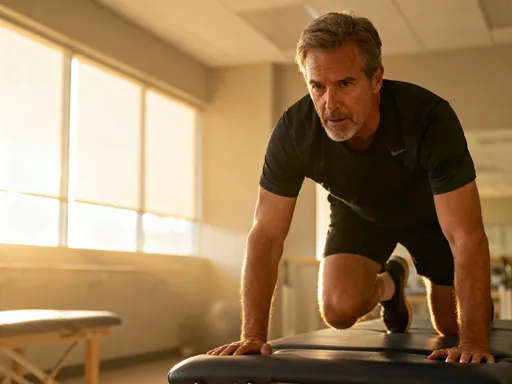
Phase three was about rebuilding strength. Weak core muscles had contributed to my injury, so we prioritized exercises to stabilize my spine. I started with basic movements like pelvic tilts and abdominal bracing, gradually advancing to planks, bird-dogs, and resistance band training. What surprised me was how weak I had become without realizing it. Everyday strength — the kind needed for lifting groceries or playing with grandchildren — had quietly eroded. As my muscles regained function, my confidence grew. I wasn’t just stronger; I felt more capable in daily life.
The final phase focused on functional reintegration — applying what I’d learned to real-world activities. We practiced lifting techniques, stair climbing, and prolonged standing with proper posture. My therapist observed how I moved in simulated home environments and gave feedback on body mechanics. This phase made the recovery feel meaningful. It wasn’t just about passing a test in the clinic; it was about reclaiming independence. By the end, I could carry laundry upstairs, garden for an hour, and stand at the stove without discomfort. The progress wasn’t miraculous — it was earned through steady effort and professional guidance.
The Hidden Benefit – How Treatment Taught Me Health Literacy
While my physical symptoms improved, the most lasting change was mental. Rehabilitation didn’t just fix my back — it transformed how I think about my body. Before, I viewed pain as something to ignore or endure. Now, I see it as information. I’ve learned to distinguish between normal fatigue and warning signs that require attention. This shift in awareness — what doctors call health literacy — has been more valuable than any single exercise or treatment.
Through regular sessions, I gained a basic understanding of anatomy and movement. I learned how the spine supports the body, how muscles work in coordination, and how poor habits lead to strain. My therapist used simple diagrams and real-time feedback to explain what was happening beneath the surface. For the first time, I could connect my actions — like slouching at the table or twisting awkwardly — to physical consequences. This knowledge empowered me to make better choices, not just during rehab, but in everyday life.
I also learned how to communicate effectively with healthcare providers. Instead of saying, “My back hurts,” I could describe the location, type of pain, and what makes it better or worse. This helped my therapist adjust my treatment more precisely. I began asking questions: Why this exercise? How does it help? What should I watch for? This active engagement made me a partner in my recovery, not just a passive recipient. The result was a deeper sense of control and responsibility for my well-being.
Perhaps the most important lesson was preventive care. I now prioritize posture, take movement breaks during long tasks, and incorporate strength exercises into my routine. I don’t wait for pain to act — I maintain function proactively. This mindset shift has reduced minor aches and increased my energy. Health literacy isn’t about becoming a medical expert; it’s about developing awareness, curiosity, and respect for your body’s needs. That’s a gift that extends far beyond recovery.
Common Mistakes People Make – And What I Learned the Hard Way
Looking back, I made my share of errors — and many were avoidable. One of the biggest was skipping sessions when I felt better. Early in rehab, after a few good days, I convinced myself I was healed and stopped doing my exercises. Within a week, the pain returned, worse than before. I had mistaken symptom relief for full recovery. The truth is, healing continues long after pain fades. Stopping too soon risks relapse because underlying weaknesses remain unaddressed. I learned that consistency matters most when you feel fine — that’s when discipline counts.
Another mistake was rushing progress. When I saw improvements, I wanted to do more — longer walks, heavier lifting, faster results. But pushing too hard disrupted my recovery. One weekend, I tried gardening for hours and ended up bedridden for days. My therapist explained that tissue adaptation takes time. Overloading too soon causes micro-damage that sets you back. Healing isn’t a race; it’s a process that respects biological limits. Patience isn’t passive — it’s a form of self-respect.
I also fell into the trap of self-diagnosing. Before my appointment, I spent hours online searching symptoms and trying random stretches I found on videos. Some helped; others made things worse. Without professional assessment, I couldn’t know what was safe. The internet is full of conflicting advice, and what works for one person may harm another. I realized that reliable guidance comes from trained experts who evaluate your unique condition, not from generic tutorials. Trusting the process meant letting go of the urge to fix everything myself.
Finally, I underestimated the importance of communication. At first, I didn’t speak up when exercises felt wrong or when pain flared. I assumed I had to push through. But my therapist encouraged open dialogue. Adjusting techniques based on feedback improved outcomes and prevented setbacks. I learned that asking for help isn’t weakness — it’s essential to effective treatment. These mistakes taught me humility and reinforced why professional-led rehab is so valuable.
How to Approach Rehab Right – A Practical Mindset Guide
Based on my experience, success in rehabilitation starts with mindset. First, choose a qualified provider — someone licensed, experienced, and willing to explain your condition in clear terms. Don’t hesitate to ask about their training or treatment approach. A good clinician listens, educates, and tailors the plan to your lifestyle. If you’re unsure, seek a second opinion. Your comfort and trust in the provider matter.
Set realistic expectations. Recovery takes time — weeks or months, not days. Focus on small wins: improved posture, reduced stiffness, better sleep. Track progress with notes or a journal. Celebrate consistency, not perfection. Understand that setbacks are normal; they don’t mean failure. What matters is returning to the process with patience.
Communicate openly. Report pain changes, difficulties with exercises, or concerns about daily activities. Your input helps fine-tune treatment. Don’t assume you must suffer in silence. A collaborative relationship with your therapist leads to better outcomes. Ask questions, request modifications, and share your goals — whether it’s playing with grandchildren or walking without a cane.
Finally, view rehab as active participation, not passive treatment. You’re not just receiving care — you’re building skills for lifelong health. The exercises, awareness, and habits you develop extend far beyond the injury. This isn’t a temporary fix; it’s an investment in your body’s future. When approached with commitment and trust in the process, Western rehabilitation offers more than recovery — it offers empowerment.
The journey from injury to recovery changed me in ways I didn’t expect. I went from ignoring my body’s signals to understanding them. I moved from frustration to agency, from passive suffering to active healing. Western rehabilitation didn’t promise miracles, but it delivered something more valuable: a structured, science-based path to regain function and build lasting health awareness. The real transformation wasn’t just in my back — it was in my mindset. I now see wellness not as the absence of pain, but as a daily practice of listening, learning, and responding with care. This experience taught me that true health begins when we stop ignoring our bodies and start engaging with them — always under the guidance of trained professionals, never as a substitute for medical care, but as a powerful step toward a stronger, more informed life.