How Qigong Quietly Repaired My Body Over Years
I used to wake up stiff, tired, and out of sync—until I gave qigong a real shot. Not as a quick fix, but as a daily rhythm. Over months, then years, something shifted. My aches faded, my energy stabilized, and my body started feeling like mine again. This isn’t about dramatic cures—it’s about slow, steady repair. If you’re tired of chasing fixes, maybe it’s time to try something that works with your body, not against it. Many women in their thirties, forties, and beyond know this feeling: the morning stiffness that lingers, the fatigue that coffee can’t touch, the sense that your body is no longer listening. For years, I searched for answers in pills, diets, and intense workouts—only to realize that healing isn’t about force. It’s about presence. And in the stillness of daily qigong practice, I found a way back to myself.
The Breaking Point: When My Body Said “Enough”
It wasn’t one moment but a series of small collapses that brought me to my knees—figuratively and, at times, literally. In my early forties, I was juggling a full-time job, raising two children, and managing a household. I prided myself on being strong, capable, and always in motion. But that constant motion came at a cost. I began waking up with a dull ache in my lower back, a tightness in my shoulders that no massage could fully release. My energy would crash by mid-afternoon, and I’d lie in bed at night, exhausted but unable to sleep. I tried everything: over-the-counter pain relievers, yoga classes, even a standing desk. Nothing offered lasting relief.
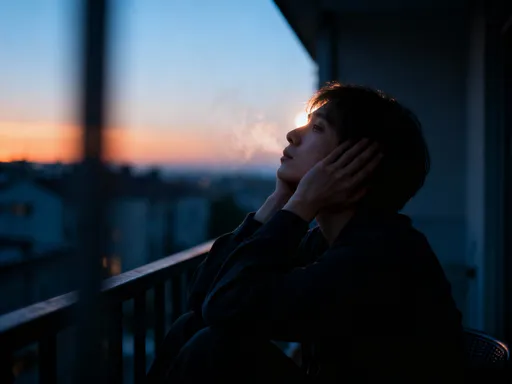
The turning point came during a family vacation. I couldn’t keep up with my kids on a simple nature hike. I had to stop every ten minutes, my joints stiff, my breath shallow. I felt embarrassed and defeated. That night, I sat on the hotel balcony, watching the stars, and admitted to myself: I can’t keep doing this. My body was no longer supporting my life—it was holding me back. I didn’t want another quick fix that would fail in a month. I needed something sustainable, something gentle but powerful enough to restore what I’d lost. That’s when I began researching traditional practices, not as trendy wellness fads, but as time-tested approaches to well-being. And that’s how I found qigong.
What Is Qigong? More Than Just “Moving Slowly”
At first glance, qigong might look like slow dancing or gentle stretching. But it’s far more intentional than that. Qigong is a mind-body practice rooted in traditional Chinese medicine, with a history spanning thousands of years. The word itself combines qi, meaning vital energy or life force, and gong, meaning skill or cultivation. So, qigong is the skill of cultivating life energy. But this isn’t about mysticism or supernatural claims. It’s about aligning breath, movement, and attention in a way that supports the body’s natural rhythms.
The practice typically involves slow, flowing movements, deep abdominal breathing, and a focused mind. Each motion is coordinated with the breath—inhaling as you rise, exhaling as you sink. The attention is directed inward, cultivating what modern science calls interoception: the ability to sense what’s happening inside your body. This internal awareness is key. Unlike high-intensity workouts that push the body to its limits, qigong works with the nervous system, gently signaling safety and relaxation. When the body feels safe, it can shift out of fight-or-flight mode and into rest-and-digest mode—the state where healing and repair naturally occur.
Research from institutions like Harvard Medical School and the National Institutes of Health has explored the effects of similar mind-body practices. While studies on qigong specifically are still emerging, the broader evidence supports its mechanisms: mindful movement reduces stress hormones, improves balance, and enhances circulation. Qigong doesn’t promise miracles, but it creates the conditions in which the body can begin to heal itself.
Why Long-Term Practice Matters: The Myth of Instant Healing
We live in a world that values speed. We want fast weight loss, quick pain relief, and immediate results. But the body doesn’t work that way. You wouldn’t expect to build muscle from a single gym session, nor would you expect a garden to bloom after one watering. Yet, when it comes to health, we often abandon practices after a few weeks if we don’t see dramatic change. This mindset sets us up for failure, especially with something as subtle as qigong.
The benefits of qigong are cumulative. They build slowly, like layers of paint, each session adding to the last. In the beginning, I noticed almost nothing. No sudden surge of energy, no disappearance of pain. But after three months of practicing just ten minutes a day, I began to feel a shift. My mornings felt lighter. I wasn’t groaning when I got out of bed. My breathing felt deeper, more natural. These weren’t dramatic breakthroughs—they were quiet improvements, easy to overlook if I hadn’t been paying attention.
Studies on long-term mind-body practices show similar patterns. For example, research published in the Journal of Alternative and Complementary Medicine found that participants who practiced qigong regularly for six months reported significant improvements in sleep quality, joint comfort, and emotional well-being. These changes weren’t immediate, but they were lasting. The body responds to consistency. When you show up daily, even in small ways, you send a message: I am here. I am listening. And over time, the body begins to respond in kind.
My Daily Ritual: Simple Moves That Made a Difference
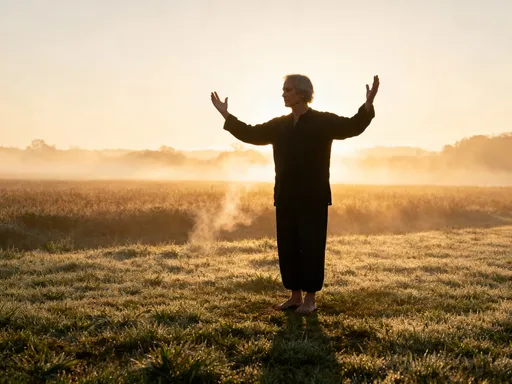
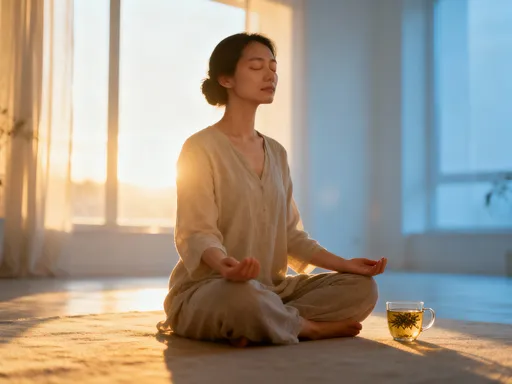
One of the reasons qigong worked for me is its simplicity. I didn’t need special equipment, a gym membership, or even a lot of time. My routine takes just ten minutes and happens every morning, right after I wake up. I don’t change into workout clothes—I practice in my pajamas, barefoot on the living room rug. The key is consistency, not perfection.
I start with a practice called Ba Duan Jin, or the Eight Brocades. It’s a series of eight gentle movements, each designed to open energy pathways and improve circulation. The first movement, “Holding the Sky with Both Hands,” involves slowly raising the arms overhead while inhaling, then lowering them while exhaling. It feels like stretching the spine and creating space between the vertebrae. The second, “Drawing the Bow to Shoot the Eagle,” mimics the motion of pulling a bowstring, engaging the shoulders and upper back without strain.
After the Eight Brocades, I move into deep diaphragmatic breathing. I place one hand on my belly and breathe in slowly through the nose, feeling the abdomen rise. I exhale fully through the mouth, drawing the belly in. This type of breathing activates the vagus nerve, which helps calm the nervous system. I do this for two minutes, focusing only on the breath.
I end with quiet standing meditation—feet shoulder-width apart, knees slightly bent, arms relaxed at my sides. I close my eyes and scan my body from head to toe, noticing any tension and gently releasing it. This isn’t about emptying the mind but about being present. Some days, my thoughts race. Other days, I feel a deep sense of peace. But I do it anyway. The ritual itself is the healing.
What Changed—And What Didn’t
After five years of daily practice, the changes in my body are real—but they’re not magical. I don’t have the body of a 25-year-old, and I still feel the occasional twinge in my lower back, especially after long days of sitting. But the difference is in the baseline. My resting state is no longer one of tension and fatigue. I sleep more soundly. I wake up with more energy. I can play with my grandchildren without needing to sit down after ten minutes.
One of the most noticeable changes has been in my emotional resilience. I used to react strongly to stress—snapping at my family, feeling overwhelmed by small setbacks. Now, I notice the tension earlier and can use a few slow breaths to reset. It’s as if qigong has given me an internal pause button. I’m more patient, more present, and less reactive.
But I’m honest with myself: qigong didn’t “cure” me. It didn’t erase old injuries or reverse the effects of aging. Instead, it helped my body function better within its current limits. The idea of repair isn’t about returning to some perfect, pre-damaged state. It’s about restoring balance, improving function, and living with greater ease. That’s a more realistic and sustainable goal—one that honors the body as it is, not as we wish it to be.
How Qigong Supports the Body’s Natural Repair Systems
Modern science helps explain why a practice thousands of years old still works today. The body is not a machine to be fixed but a living system that thrives on balance. Qigong supports this balance in several key ways. First, the rhythmic breathing patterns used in qigong stimulate the parasympathetic nervous system, the branch responsible for rest, digestion, and recovery. When this system is active, heart rate slows, blood pressure lowers, and muscles relax. Chronic stress keeps the sympathetic nervous system—the fight-or-flight response—constantly engaged, which can lead to inflammation, poor sleep, and weakened immunity. Qigong helps shift the body back into a state where healing can occur.
Second, the gentle, repetitive movements improve circulation and support the lymphatic system. Unlike the circulatory system, which has a pump (the heart), the lymphatic system relies on muscle movement to circulate fluid and remove waste. Qigong’s flowing motions encourage this movement without strain, helping to reduce swelling and support immune function.
Third, the focused attention in qigong reduces cortisol, the primary stress hormone. High cortisol levels over time are linked to weight gain, fatigue, and impaired cognitive function. By practicing mindfulness and intentional movement, qigong helps regulate cortisol, leading to improved mood and mental clarity.
Finally, qigong enhances proprioception—the body’s sense of its position in space. As we age, this sense can dull, increasing the risk of falls. The slow, controlled movements in qigong retrain the brain-body connection, improving balance and coordination. These physiological benefits don’t happen overnight, but they compound with regular practice, creating a foundation for long-term health.
Starting Your Own Journey: Realistic Steps for Real People
If you’re curious about qigong, the best way to begin is also the simplest: start small. You don’t need to master every movement or practice for an hour. Begin with just five minutes a day. Choose a quiet time—morning is ideal, but even a few minutes before bed can help calm the nervous system. Find a comfortable space where you won’t be interrupted. You don’t need special clothing or equipment. Just your body and your breath.
There are many free, high-quality resources available online. Look for videos from reputable sources, such as university wellness programs, certified instructors, or medical centers that offer integrative health services. Avoid anything that makes exaggerated claims or pressures you to buy expensive courses. A good beginner video will focus on slow, gentle movements and clear breathing cues.
As you practice, prioritize consistency over form. It’s better to do a simple movement every day with relaxed attention than to perform a complex sequence perfectly once a week. Listen to your body. If a movement causes pain, modify it or skip it. Qigong should never hurt. Over time, your body will find its own rhythm.
If you have a chronic condition—such as arthritis, heart disease, or a history of injury—it’s wise to consult your healthcare provider before starting any new practice. Qigong is generally safe, but it’s important to adapt it to your individual needs. Think of it as a complement to your existing care, not a replacement.
The Quiet Power of Showing Up
Looking back, qigong didn’t transform my life in a single moment. It transformed it in thousands of small ones—the quiet mornings, the deep breaths, the gentle stretches. It didn’t fix me because I wasn’t broken. It helped me reconnect with a body I had been ignoring, a self I had been pushing too hard. In a world that values noise, speed, and constant achievement, qigong taught me the power of slowness, stillness, and presence.
The most profound healing often happens in silence. It’s not in the dramatic interventions but in the daily acts of care—the decision to breathe deeply, to move gently, to listen. Qigong reminded me that my body is not an enemy to be conquered but a partner to be honored. And in that honoring, I found a deeper sense of well-being, not because I changed everything, but because I finally started showing up—for myself, every single day.