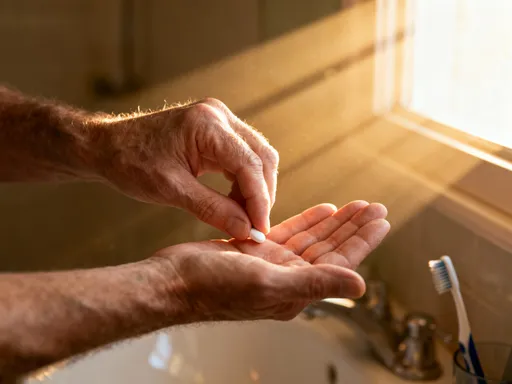
What I Learned About Healing: A Real Talk on Staying Mindful with Medication
Healing isn’t just about taking pills—it’s about awareness, choices, and patience. I used to pop meds without thinking, but a long recovery changed that. Now, I see medication as part of a bigger picture: my mindset, habits, and how I listen to my body. This journey taught me that true progress comes when treatment meets self-awareness. If you're on a rehab path, this is for you.
The Moment Everything Changed
It started with a fall—nothing dramatic, just a misstep on wet pavement. But the pain in my lower back didn’t fade. Weeks passed, then months. Doctors prescribed anti-inflammatory drugs, muscle relaxants, and eventually a mild pain reliever I took every evening. For a while, I believed the medication would do the work for me. I avoided movement, skipped physical therapy appointments, and waited for the pills to fix what they couldn’t reach. When progress stalled, frustration set in. I began to question not just the treatment, but my role in it.
That’s when my physical therapist asked a simple question: "What do you think your body needs right now?" I had no answer. I realized I wasn’t really paying attention. I was handing over my healing to prescriptions and professionals, but I wasn’t participating in it. That moment marked a shift. I began to understand that recovery wasn’t something that happened to me—it was something I had to engage in, every day. Medication could ease symptoms, but it couldn’t rebuild strength, correct posture, or restore confidence in movement. Only consistent, mindful effort could do that.
This wasn’t about rejecting medical help. It was about expanding my view of healing. I started seeing my body not as a broken machine needing repair, but as a responsive system that communicated through signals—tightness, stiffness, moments of relief. My job was no longer just to take a pill, but to listen, adjust, and respond. This new awareness didn’t speed up recovery overnight, but it gave me a sense of control and purpose that I’d been missing.
Understanding Medication in Rehabilitation: More Than Just a Pill
Medication plays a crucial role in many recovery journeys, but it’s important to understand its true function. Most drugs used in rehabilitation are not cures—they are tools designed to manage symptoms so that healing can occur. Pain relievers reduce discomfort, allowing movement and therapy to continue. Anti-inflammatory medications decrease swelling, which can speed tissue repair. Muscle relaxants ease tension that might otherwise delay progress. When used correctly, these medications create space for recovery to take root.
Yet, misunderstanding their role can lead to misuse. Some people fear becoming dependent on medication and avoid it altogether, enduring pain that could be managed. Others rely too heavily on pills, expecting them to do the work of rest, exercise, and time. The truth lies in balance. Medication works best when it’s part of a coordinated plan that includes physical therapy, lifestyle adjustments, and regular medical check-ins.
Timing and consistency matter. Taking medication as prescribed ensures a steady level in the bloodstream, which helps maintain symptom control. Skipping doses or altering schedules can reduce effectiveness and increase the risk of side effects. It’s also essential to communicate openly with healthcare providers about how the medication feels—whether it’s helping, causing drowsiness, or interacting with daily routines. This dialogue allows for adjustments that keep treatment safe and effective.
Another common concern is side effects. All medications carry some risk, but many side effects are mild and temporary. The key is awareness. Keeping track of how you feel—physically and emotionally—after starting a new medication helps identify patterns. If something feels off, it’s not something to ignore or endure silently. Doctors can often switch medications, adjust dosages, or suggest complementary strategies to minimize discomfort.
The Mindset Shift: From Passive to Active Healing
There’s a quiet difference between waiting to get better and working to get better. In the early days of my recovery, I was in the first group. I followed instructions, took my pills, and hoped for improvement. But hope without action often leads to stagnation. The shift came when I stopped seeing myself as a passive recipient of care and began viewing myself as an active participant in my own healing.
This mindset change didn’t happen all at once. It started with small decisions: choosing to do my stretches even when I didn’t feel like it, paying attention to how I sat at the kitchen table, noticing when I was holding my breath during moments of discomfort. These choices might seem minor, but they added up. Each one was a signal to my body and mind that I was present, that I cared, that I was committed.
Research supports this approach. Studies show that patients who actively engage in their recovery—by understanding their condition, asking questions, and following through on recommendations—tend to have better outcomes. This isn’t because they’re somehow stronger or more disciplined. It’s because engagement fosters awareness, and awareness leads to better decision-making. When you understand why a certain exercise helps your back, you’re more likely to do it consistently. When you know how sleep supports tissue repair, you’re more likely to prioritize it.
Active healing also involves emotional awareness. Recovery isn’t linear. There are good days and bad days. On tough days, it’s easy to feel discouraged or defeated. But with a proactive mindset, those moments become opportunities to practice patience and self-compassion. Instead of thinking, "This isn’t working," I learned to ask, "What can I adjust today?" That small shift in language reflects a deeper shift in perspective—one that values effort over perfection.
Listening to Your Body: The Silent Guide in Recovery
Your body speaks, even when you’re not listening. During my recovery, I began to notice subtle signals I’d once ignored. A slight increase in morning stiffness told me I’d overdone it the day before. A wave of fatigue in the afternoon suggested I needed more rest. Even changes in sleep patterns—waking up too early or feeling unrested—were clues that something in my routine needed attention.
Learning to interpret these signals transformed my approach to healing. Pain, for instance, isn’t always a sign to stop. Sometimes, it’s a guide. A mild ache during stretching might mean I’m challenging my muscles safely. A sharp, sudden pain is a warning to ease off. The difference lies in paying attention to the quality, location, and timing of the sensation. Over time, I developed a kind of inner dialogue: "That feels uncomfortable, but not harmful. I can stay here for a few more breaths." Or, "That twinge means I need to adjust my posture."
Tracking symptoms became a valuable habit. I started a simple journal where I noted pain levels, energy, sleep quality, and medication effects each day. At first, it felt tedious, but patterns soon emerged. I noticed that days with good hydration and light movement were followed by less stiffness. Days when I skipped therapy or stayed seated too long led to increased discomfort. This information empowered me to make informed choices.
Journaling also helped me communicate with my healthcare team. Instead of saying vaguely, "I don’t feel better," I could say, "My pain is a 4 out of 10 in the morning but rises to 6 by evening, especially after standing for more than 30 minutes." That specificity allowed my doctor to adjust my plan with greater precision. Listening to my body didn’t mean rejecting medical advice—it meant adding another layer of insight to the process.
Partnering with Professionals: Trust, But Stay Involved
Doctors, physical therapists, and other healthcare providers bring expertise, training, and experience to the table. Trusting them is essential. But trust doesn’t mean handing over all responsibility. The most effective healing relationships are partnerships—two-way exchanges where information flows freely, and decisions are made collaboratively.
I learned this the hard way. At first, I was hesitant to ask questions. I didn’t want to seem difficult or uninformed. But when I finally asked my doctor why I was taking a certain medication, how long I’d need it, and what the alternatives were, I realized how much I’d been missing. Understanding the purpose of each treatment gave me a sense of control and confidence. I wasn’t just following orders—I was making informed choices.
Asking questions isn’t a challenge to authority. It’s a sign of engagement. Questions like "What are the risks and benefits of this medication?" "Are there lifestyle changes that could reduce my need for it?" or "How will we know when it’s time to taper off?" help ensure that treatment aligns with your values and goals. They also open the door to shared decision-making, where you and your provider weigh options together.
It’s also important to speak up when something doesn’t feel right. If a medication causes drowsiness that interferes with daily life, or if therapy exercises cause unexpected pain, those are not things to endure in silence. Your experience matters. Providers can’t adjust treatment if they don’t know how it’s affecting you. Honest communication builds trust and leads to better outcomes.
Daily Habits That Boost Treatment Effectiveness
Medication works better when supported by healthy daily habits. Think of it like this: a car runs more efficiently with regular maintenance. The same is true for the human body. Even small, consistent routines can enhance the effectiveness of medical treatment and speed up recovery.
Sleep is one of the most powerful yet underrated tools in healing. During deep sleep, the body repairs tissues, reduces inflammation, and consolidates motor learning—all critical for recovery. Prioritizing a regular bedtime, limiting screen time before bed, and creating a calm sleep environment can improve sleep quality significantly. Even a 20-minute improvement in restful sleep can make a difference in how you feel the next day.
Hydration is another simple but vital habit. Water supports circulation, nutrient delivery, and joint lubrication. Dehydration can worsen muscle cramps, fatigue, and even pain perception. Drinking water throughout the day—starting with a glass in the morning—helps keep the body functioning optimally. Herbal teas and water-rich foods like cucumbers and oranges can also contribute to fluid intake.
Gentle movement, even when it feels difficult, supports circulation and prevents stiffness. Short walks, stretching, or seated exercises can make a big difference. The key is consistency, not intensity. Five minutes of movement several times a day is often more beneficial than one long session that leaves you sore. Movement also boosts mood by increasing endorphins, which can help counteract the emotional toll of chronic pain or long-term recovery.
Stress management is equally important. Chronic stress increases muscle tension, raises blood pressure, and can even slow healing. Simple practices like deep breathing, mindfulness, or listening to calming music can activate the body’s relaxation response. One technique I found helpful was the 4-7-8 breath: inhale for four counts, hold for seven, exhale for eight. Doing this for just a few minutes can calm the nervous system and improve focus.
Staying on Track: Motivation, Setbacks, and Patience
Motivation ebbs and flows. There will be days when getting out of bed feels like a victory, and days when progress seems invisible. This is normal. Healing is rarely a straight line. What matters is how you respond to these moments.
Setbacks don’t mean failure. A flare-up of symptoms, a missed therapy session, or a day when you forget your medication—none of these erase the progress you’ve made. The key is to respond with kindness, not criticism. Instead of thinking, "I’ve ruined everything," try, "Today was hard. What can I do tomorrow to get back on track?" This gentle redirection keeps you moving forward without guilt.
Setting small, achievable goals can help maintain momentum. Instead of focusing on the distant finish line—"I want to be pain-free"—break it down into manageable steps: "I will do my stretches three times this week," or "I will drink eight glasses of water every day for five days." Celebrating these small wins builds confidence and reinforces positive habits.
Patience is perhaps the hardest part of healing. In a world that values speed and instant results, waiting for the body to heal on its own timeline can feel frustrating. But healing is not a race. It’s a process that requires time, consistency, and self-respect. Reminding myself of how far I’d come—not how far I had to go—helped me stay grounded. Progress, even when slow, is still progress.
Conclusion: Healing as an Ongoing Practice
Looking back, I see that my recovery was about more than just healing an injury. It was about developing a deeper relationship with my body and my health. Medication was a helpful tool, but it was only one part of a much larger picture. True healing came from mindfulness, daily choices, and a willingness to stay engaged even when progress felt slow.
This awareness has stayed with me long after the pain faded. I now approach health not as a series of problems to fix, but as an ongoing practice of listening, adjusting, and caring. I take medication when needed, but I also pay attention to how I sleep, move, eat, and manage stress. I ask questions. I track how I feel. I honor my body’s limits and celebrate its strengths.
If you’re on a recovery journey, know this: you are not passive. You are not broken. You are a vital participant in your own healing. Medication can support you, but the real work—the mindful, daily effort—is yours to lead. And in that effort, there is power, dignity, and the quiet promise of progress. Healing isn’t just about getting back to where you were. It’s about becoming someone who understands, respects, and truly listens to their body. That’s a gift that lasts long after the last pill is taken.