What If Aging Wasn’t About Time—But Your Daily Choices?
What if the way you age isn’t just about genetics or luck—but the small habits you repeat every day? I used to think wrinkles and low energy were just part of getting older, but after making real changes, I noticed real shifts. It wasn’t magic, just science-backed moves that added up. This isn’t about chasing youth; it’s about feeling stronger, sharper, and more alive at any age. Let’s explore how daily choices shape how we age—and how you can take control.
The Myth of Aging: Why Time Isn’t the Real Enemy
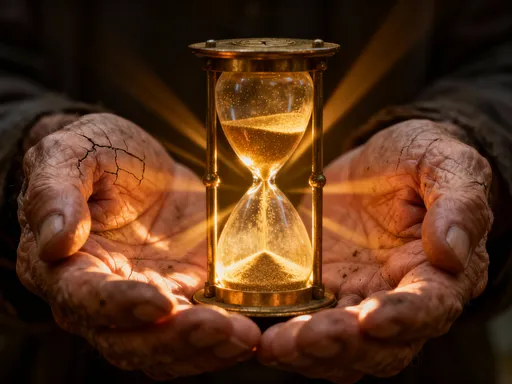
For decades, society has framed aging as an inevitable decline tied strictly to the calendar. The belief that turning 50, 60, or 70 automatically means reduced energy, slower movement, and declining health is deeply ingrained. But modern science reveals a more empowering truth: chronological age—the number of years you’ve lived—doesn’t fully determine how well you age. Instead, it’s your biological age, reflected in the health of your cells, that matters most. Biological aging can move faster or slower than chronological aging, depending on lifestyle, environment, and daily behaviors.
Many assume joint stiffness, memory lapses, or constant fatigue are unavoidable consequences of time. Yet research shows these symptoms are often the result of long-term habits, not destiny. For example, chronic inflammation and oxidative stress—two key drivers of cellular damage—are heavily influenced by diet, activity levels, and stress management. These processes degrade tissues over time, contributing to conditions often labeled as “normal aging.” But they are not inevitable. People in certain regions of the world, often referred to as Blue Zones, routinely live into their 90s and beyond with high levels of physical and mental function, not because of superior genes, but because of consistent, health-supporting routines.
One of the most studied markers of cellular aging is telomere length. Telomeres are protective caps at the ends of chromosomes that shorten each time a cell divides. When they become too short, cells can no longer replicate effectively, leading to aging and disease. While telomeres naturally shorten with age, studies have shown that lifestyle factors such as poor sleep, chronic stress, and lack of physical activity can accelerate this shortening. Conversely, healthy habits like regular exercise, balanced nutrition, and emotional well-being have been linked to longer telomeres. This suggests that how you live each day directly influences the pace at which your cells age.
Understanding this distinction shifts the narrative. Instead of accepting decline as a fixed outcome, individuals can see aging as a dynamic process shaped by choices. It’s not about stopping time, but about supporting the body’s natural ability to repair, regenerate, and function optimally. This perspective empowers people to take meaningful action, regardless of their current age. The real enemy isn’t the passage of years—it’s the accumulation of unhealthy patterns that go unnoticed until symptoms arise. By focusing on biological age, we reclaim agency over our health trajectory.
Fueling Longevity: The Role of Nutrition in Anti-Aging
Nutrition plays a foundational role in how the body ages. Every bite of food sends signals to your cells—either promoting repair and resilience or contributing to inflammation and damage. A diet rich in whole, plant-based foods supports longevity by providing essential nutrients that protect against cellular stress. Antioxidants, found abundantly in colorful fruits and vegetables, neutralize free radicals—unstable molecules that damage DNA and accelerate aging. Foods like berries, leafy greens, and nuts are particularly effective in reducing oxidative stress, helping to maintain healthy skin, brain function, and organ performance over time.
Healthy fats are another cornerstone of an anti-aging diet. Omega-3 fatty acids, present in fatty fish, flaxseeds, and walnuts, support brain health and reduce systemic inflammation. These fats help maintain the fluidity of cell membranes, which is crucial for efficient communication between cells. In contrast, diets high in processed sugars and refined carbohydrates trigger spikes in blood glucose and insulin, promoting glycation—a process where sugar molecules attach to proteins and impair their function. This contributes to stiffer skin, reduced vascular elasticity, and cognitive decline. Limiting added sugars and choosing complex carbohydrates like whole grains and legumes can significantly slow these effects.
Beyond individual nutrients, the pattern of eating matters. Intermittent eating windows—such as consuming meals within an 8- to 12-hour period each day—have been associated with improved metabolic health and cellular repair. This approach may support autophagy, the body’s natural process of clearing out damaged cells and regenerating new ones. While not suitable for everyone, especially those with certain medical conditions, aligning food intake with natural circadian rhythms can enhance digestion, energy levels, and long-term metabolic function. Pairing this with consistent hydration—drinking water throughout the day—ensures optimal nutrient delivery and waste removal at the cellular level.
Mindful eating further amplifies these benefits. Slowing down during meals, chewing thoroughly, and paying attention to hunger and fullness cues help prevent overeating and improve digestion. This practice reduces the burden on the digestive system, allowing the body to allocate energy toward repair and maintenance rather than constant processing of excess food. Over time, these small shifts in eating behavior compound into significant protection against age-related decline. Nutrition, therefore, is not just about what you eat, but how and when you eat. It’s a daily opportunity to nourish the body and support long-term vitality.
Move to Stay Young: How Physical Activity Slows Aging
Physical activity is one of the most powerful tools for slowing biological aging. Unlike medications or supplements, movement is accessible, cost-effective, and impacts nearly every system in the body. Exercise enhances mitochondrial function—the energy-producing structures within cells—helping them generate power more efficiently and with fewer harmful byproducts. As people age, mitochondrial efficiency tends to decline, contributing to fatigue and muscle loss. Regular physical activity counters this by stimulating the creation of new mitochondria and improving their performance, effectively keeping cellular energy systems young.
Maintaining muscle mass is another critical benefit of exercise. After age 30, adults lose approximately 3% to 5% of muscle mass per decade, a condition known as sarcopenia. This loss affects balance, strength, and metabolism, increasing the risk of falls and chronic disease. Strength training—even with light resistance or bodyweight exercises—can significantly slow or reverse this decline. Activities like squats, lunges, and resistance band workouts stimulate muscle growth and preserve functional independence. Incorporating strength training two to three times per week is strongly supported by research as a way to maintain physical resilience well into later years.
Cardiovascular exercise also plays a vital role. Walking, swimming, cycling, or dancing improves circulation, lowers blood pressure, and enhances heart and lung efficiency. These activities support vascular health by keeping arteries flexible and reducing plaque buildup. Improved blood flow means better oxygen and nutrient delivery to tissues, including the brain, which helps maintain cognitive sharpness. Even moderate-intensity walking for 30 minutes a day has been linked to longer telomeres and reduced markers of biological aging.
Flexibility and balance training are equally important. Practices like yoga and tai chi improve joint mobility, reduce stiffness, and enhance coordination. These forms of movement also engage the mind-body connection, reducing stress and promoting relaxation. The key to lasting benefits is consistency, not intensity. Short daily walks, stretching routines, or brief home workouts accumulate over time, building a foundation of strength and endurance. The goal isn’t to train like an athlete, but to stay active in ways that feel sustainable and enjoyable. Movement, in this sense, becomes a lifelong commitment to feeling capable and strong.
Sleep: The Overlooked Anti-Aging Superpower
Sleep is often undervalued in discussions about health and aging, yet it is during rest that much of the body’s repair work takes place. Quality sleep supports hormone regulation, including the release of growth hormone, which aids in tissue repair and muscle regeneration. It also facilitates the glymphatic system—a network that clears waste products from the brain—reducing the buildup of proteins linked to cognitive decline. Without sufficient rest, these processes are disrupted, accelerating biological aging and impairing daily function.
Chronic sleep deprivation has been associated with increased inflammation, insulin resistance, and elevated cortisol levels—all factors that contribute to premature aging. People who consistently sleep less than seven hours per night are more likely to experience weight gain, memory issues, and mood disturbances. Over time, poor sleep patterns raise the risk of chronic conditions such as type 2 diabetes, cardiovascular disease, and neurodegenerative disorders. The effects are not just internal; lack of sleep visibly impacts the skin, leading to dullness, puffiness, and fine lines, reinforcing the connection between rest and outward appearance.
Creating a sleep-supportive environment is essential. Exposure to blue light from screens in the evening can suppress melatonin, the hormone that signals sleep onset. Reducing screen time at least one hour before bed and using dim, warm lighting can help the body transition into rest mode. Establishing a consistent bedtime routine—such as reading, gentle stretching, or listening to calming music—signals to the brain that it’s time to wind down. Keeping the bedroom cool, quiet, and free from distractions further enhances sleep quality.
For those struggling with sleep, small adjustments can yield big results. Limiting caffeine intake after noon, avoiding large meals close to bedtime, and managing stress through relaxation techniques all contribute to better rest. Some find benefit in maintaining a sleep journal to identify patterns or triggers that disrupt their rest. While individual needs vary, most adults require seven to nine hours of quality sleep per night to support optimal health. Prioritizing sleep is not a luxury—it’s a necessity for long-term well-being. By treating rest as a non-negotiable part of self-care, individuals give their bodies the time they need to renew and rejuvenate.
Stress and Your Cells: The Hidden Accelerator of Aging
Chronic stress is one of the most insidious contributors to accelerated aging. Unlike acute stress, which is short-lived and can even be beneficial, chronic stress keeps the body in a prolonged state of alert, flooding the system with stress hormones like cortisol. Over time, this constant activation of the fight-or-flight response damages tissues, suppresses immune function, and disrupts metabolic balance. Research has shown that individuals with high perceived stress levels have shorter telomeres, indicating faster cellular aging. This means that how you respond to daily pressures can literally influence how quickly your cells age.
The impact of stress extends beyond the cellular level. It affects digestion, sleep, mood, and decision-making, often leading to unhealthy coping mechanisms such as emotional eating, reduced physical activity, or social withdrawal. These behaviors create a feedback loop, further worsening stress and its physical consequences. The good news is that the nervous system can be retrained. Mind-body practices such as diaphragmatic breathing, meditation, and progressive muscle relaxation help activate the parasympathetic nervous system—the “rest and digest” state—counteracting the effects of chronic stress.
Simple breathing exercises, such as inhaling slowly for four counts, holding for four, and exhaling for six, can be done anywhere and provide immediate calming effects. Regular meditation, even for just ten minutes a day, has been linked to improved emotional regulation, reduced anxiety, and better cognitive function. Spending time in nature—walking in a park, gardening, or simply sitting outdoors—also lowers cortisol levels and promotes mental clarity. These practices don’t require special equipment or large time commitments; their power lies in consistency.
Building emotional resilience is another key aspect of stress management. Cultivating gratitude, maintaining meaningful relationships, and engaging in activities that bring joy all contribute to a sense of stability and purpose. When stress is viewed not as an enemy to eliminate, but as a natural part of life to be managed with skill, it becomes less overwhelming. By integrating small, restorative habits into daily life, individuals can protect their cells from the corrosive effects of chronic stress and support long-term health.
Environment and Habits: The Little Things That Add Up
Daily environmental exposures play a subtle but significant role in the aging process. Ultraviolet (UV) radiation from the sun is one of the most well-documented external accelerators of skin aging. Prolonged, unprotected sun exposure leads to photoaging—characterized by wrinkles, age spots, and loss of elasticity. Regular use of broad-spectrum sunscreen, wearing protective clothing, and seeking shade during peak sunlight hours are effective strategies to minimize damage. These habits, when practiced consistently, preserve skin integrity and reduce the risk of skin cancer.
Air pollution is another environmental factor that contributes to systemic inflammation and oxidative stress. While individuals may have limited control over outdoor air quality, indoor environments can be optimized. Using air purifiers, keeping windows closed during high pollution days, and avoiding tobacco smoke significantly reduce harmful exposure. Staying hydrated and consuming antioxidant-rich foods can also help the body counteract some of the damage caused by pollutants.
Digital habits matter too. Excessive screen time, especially before bed, disrupts sleep and increases eye strain and mental fatigue. Setting boundaries around device use—such as designating screen-free times or using blue light filters—supports both physical and mental well-being. Additionally, maintaining social connections has been shown to improve longevity. Loneliness and social isolation are linked to higher risks of heart disease, depression, and cognitive decline. Engaging in community activities, staying in touch with loved ones, and participating in group hobbies foster emotional support and cognitive stimulation.
These small, consistent choices form the fabric of a longevity-supportive lifestyle. No single habit guarantees a long, healthy life, but together, they create a protective buffer against the forces that accelerate aging. The cumulative effect of daily decisions—what you eat, how you move, how you rest, and how you respond to stress—shapes your biological reality. By paying attention to these often-overlooked factors, individuals gain greater control over how they age, one choice at a time.
A Life Well-Lived: Rethinking Anti-Aging as Health Improvement
True anti-aging is not about erasing wrinkles or turning back the clock. It’s about optimizing health so that every stage of life is lived with vitality, clarity, and strength. The habits discussed—nourishing food, regular movement, quality sleep, stress management, and mindful environmental choices—are not isolated strategies, but interconnected pieces of a holistic approach to well-being. When practiced together, they create a foundation for resilience, enabling individuals to age not with fear, but with confidence and grace.
It’s important to recognize that while personal choices have a powerful influence, they work best alongside professional medical care. Regular check-ups, screenings, and open communication with healthcare providers ensure that any underlying conditions are addressed early. Lifestyle changes are not a substitute for medical treatment, but a complement that enhances its effectiveness. Empowerment comes from understanding that health is not fixed, but dynamic—a result of daily decisions that compound over time.
Reframing anti-aging as an act of self-respect shifts the motivation from vanity to value. Choosing a nutritious meal, taking a walk, or pausing to breathe deeply are not chores, but affirmations of worth. These actions say, “I matter, and my well-being matters.” Starting today, anyone can begin to influence their biological age, regardless of where they are in life. The journey doesn’t require perfection—just persistence, awareness, and kindness toward oneself.
Aging will happen, but how it happens is not entirely out of your hands. By aligning daily choices with long-term health, it’s possible to feel stronger, sharper, and more alive at any age. This is not a promise of immortality, but an invitation to live well—fully, vibrantly, and on your own terms.